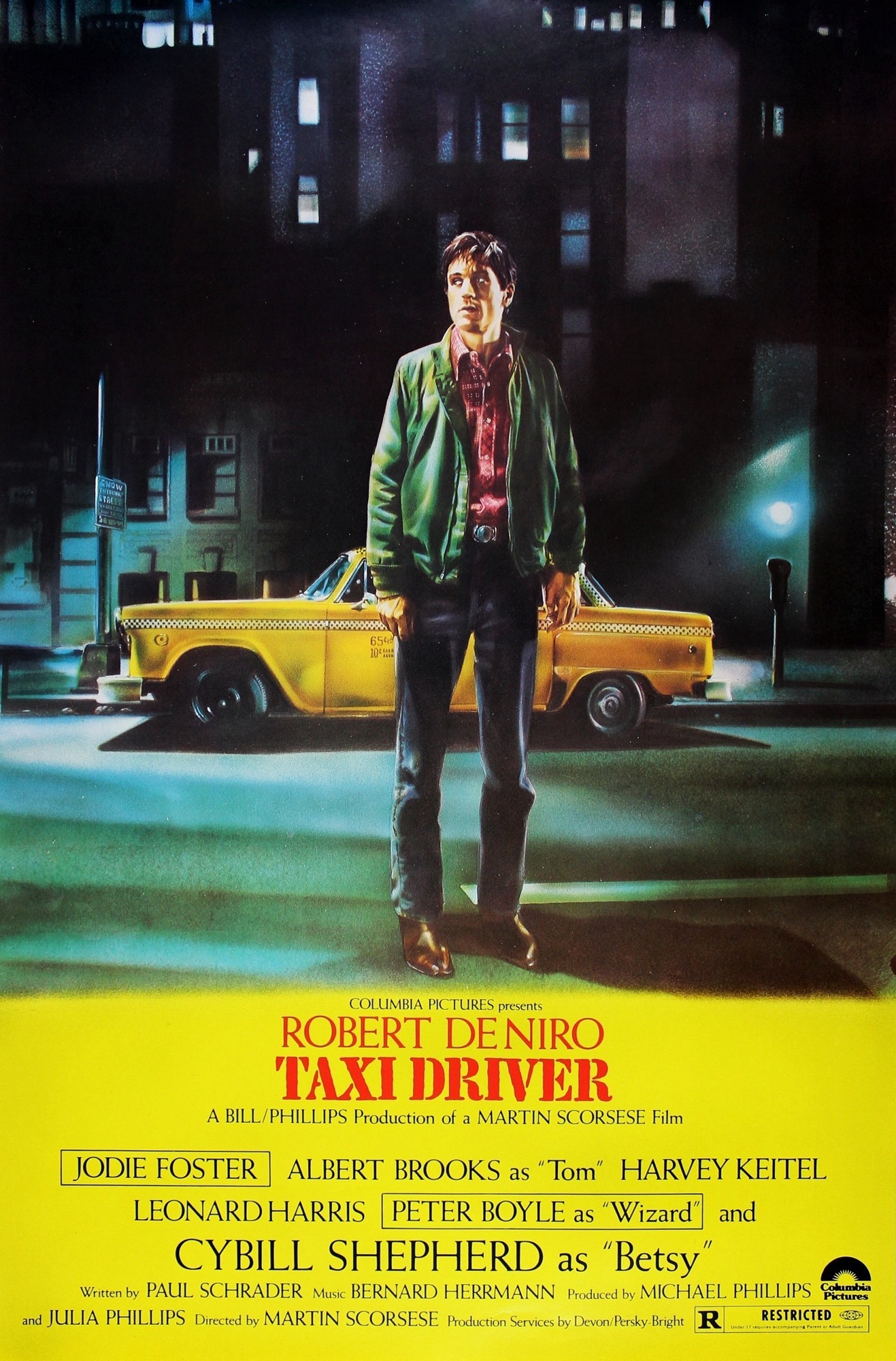
Taxi Driver 택시 드라이버
Director Martin Scorsese
Screenwriter Paul Schrader
Cast Robert De Niro / Jodie Foster / Cybill Shepherd
Genre Neo-noir / Psychological Thriller / Crime
Award Palme d’Or (Cannes Film Festival)
IMDb 8.2 / Rotten Tomatoes 89% / Letterboxd 4.1
OTT Netflix / Prime Video / Apple TV
The Philosophy of Lonelines
고독의 철학적 고찰
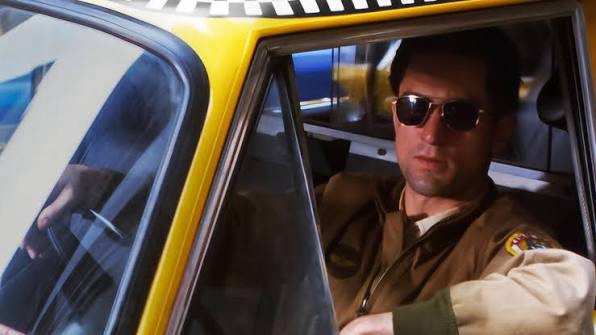
At its heart, Taxi Driver is a profound meditation on the existential dread of being “God’s lonely man.” Screenwriter Paul Schrader, influenced by his strict religious upbringing and the works of European existentialists like Bresson, crafted Travis Bickle not as a simple villain, but as a man suffering from an incurable spiritual sickness. Travis wanders through the streets of New York, yet he is never truly in them; he is an observer behind glass, separated by the windshield of his cab. This distance fuels his resentment, as he perceives the city’s nightlife—the prostitutes, the addicts, the hustlers—as a stain on a world that should be pure. His insomnia is more than a physical ailment; it is a symptom of his inability to connect with the rest of humanity, making him a ghost in his own life.
<택시 드라이버>의 핵심은 “신의 외로운 인간”이 겪는 실존적 공포에 대한 심오한 명상이다. 엄격한 종교적 배경과 브레송 같은 유럽 실존주의자들의 영향을 받은 폴 슈레이더 작가는 트래비스 비클을 단순한 악당이 아니라 치유할 수 없는 영적 질병을 앓는 남자로 빚어냈다. 트래비스는 뉴욕의 거리를 배회하지만, 결코 그 거리 속에 진정으로 ‘존재’하지 않는다. 그는 택시 앞 유리에 가로막힌 채 세상을 바라보는 관찰자에 불과하다. 이 거리감은 그의 분노를 자극하고, 그는 매춘부, 중독자, 사기꾼들로 가득한 도시의 밤 문화를 정화되어야 할 세상의 얼룩으로 인식한다. 그의 불면증은 단순한 신체적 질병을 넘어 타인과 연결되지 못하는 무능력의 증상이며, 그를 자신의 삶 속에서 유령처럼 떠돌게 만든다.
The Visual Language of a Broken Mind
부서진 정신의 시각적 언어
Martin Scorsese’s direction utilizes the visual language of German Expressionism and Neo-noir to manifest Travis’s internal decay. The cinematography by Michael Chapman is revolutionary, using slow-motion, distorted reflections, and a color palette of sickly yellows and aggressive reds to create a dreamlike, almost hallucinatory experience. Bernard Herrmann’s haunting jazz score underscores this atmosphere, blending smooth melodies with sudden, jarring brass sounds that mirror Travis’s volatile mood swings. Every frame is designed to make the audience feel the claustrophobia of the city. The iconic scenes of rain blurring the neon lights are not just atmospheric; they represent the moral ambiguity and the “filth” that Travis believes only a “real rain” can wash away.
마틴 스코세이지의 연출은 독일 표현주의와 네오 느와르의 시각적 언어를 동원해 트래비스의 내면적 붕괴를 형상화한다. 마이클 채프먼의 촬영은 혁신적이다. 슬로우 모션, 왜곡된 반사광, 그리고 병색이 완연한 노란색과 공격적인 붉은색의 배합을 통해 마치 환각을 보는 듯한 꿈결 같은 경험을 선사한다. 버나드 허먼의 잊을 수 없는 재즈 음악은 이러한 분위기를 더욱 강조하는데, 부드러운 멜로디와 갑작스럽고 거슬리는 금관악기 소리의 조화는 트래비스의 불안정한 감정 기복을 그대로 반영한다. 모든 프레임은 관객이 도시의 폐쇄공포증을 느끼도록 설계되었다. 네온사인을 흐리는 비 오는 풍경은 단순한 분위기 조성을 넘어, 트래비스가 오직 ‘진짜 비’만이 씻어낼 수 있다고 믿는 도덕적 모호함과 오물을 상징한다.
The Perversion of Heroism
영웅주의의 왜곡된 발현
The narrative takes a dark turn as Travis attempts to transform his impotence into action. His failed attempts at a romantic relationship with Betsy and his subsequent rejection push him toward a radicalized form of “warrior” identity. He begins a rigorous physical training montage, purchasing guns and honing his body as if preparing for a holy war. This is a chilling deconstruction of the American hero archetype; he isn’t saving a damsel in distress (Iris) because of altruism, but because he needs an outlet for his simmering rage. The bloody climax in the brothel is a frantic, messy, and disturbingly intimate spectacle. It reveals that Travis’s “heroism” is actually a violent outburst of a man who has completely lost touch with reality, yet the irony remains that society chooses to celebrate his madness as valor.
트래비스가 자신의 무력감을 행동으로 옮기려 하면서 서사는 어두운 전환점을 맞는다. 베시와의 연애 실패와 뒤따른 거절은 그를 ‘전사’라는 극단적인 정체성으로 몰아넣는다. 그는 마치 성전을 준비하듯 총기를 구입하고 몸을 단련하며 혹독한 신체 훈련에 돌입한다. 이는 미국적 영웅 아키타입에 대한 서늘한 해체다. 그는 이타심 때문에 위기에 처한 소녀(아이리스)를 구하는 것이 아니라, 끓어오르는 분노의 배출구가 필요했을 뿐이다. 사창가에서의 피비린내 나는 클라이맥스는 광기 어린 혼란이자 불쾌할 정도로 적나라한 구경거리다. 이는 트래비스의 ‘영웅주의’가 사실 현실 감각을 완전히 상실한 남자의 폭력적 분출임을 드러내지만, 사회가 그의 광기를 용맹함으로 칭송한다는 아이러니는 여전히 가슴 아프게 남는다.
A Mirror to the Post-War Soul
전후 세대의 영혼을 비추는 거울
Taxi Driver serves as a historical document of the post-Vietnam War era, capturing the collective trauma and cynicism of the 1970s. Travis is a veteran whose war never truly ended; he simply brought the battlefield back to the streets of New York. The film captures a moment in American history where trust in institutions had collapsed, and the promise of the American Dream had soured into an urban nightmare. Even decades later, the film remains relevant because it addresses the universal themes of social isolation and the dangers of the “incel” mindset before the term even existed. Travis Bickle is a reflection of anyone who has ever felt forgotten by the world and decided that the only way to be seen is through destruction.
<택시 드라이버>는 베트남 전쟁 이후의 시대적 기록으로서 1970년대의 집단적 트라우마와 냉소주의를 포착한다. 트래비스는 전쟁이 결코 끝나지 않은 퇴역 군인이며, 그는 단지 전장을 뉴욕의 거리로 옮겨왔을 뿐이다. 이 영화는 국가 기관에 대한 신뢰가 무너지고, 아메리칸 드림의 약속이 도시의 악몽으로 변질되었던 미국 역사의 한 순간을 담고 있다. 수십 년이 지난 지금도 이 작품이 유효한 이유는 사회적 고립이라는 보편적인 주제와, ‘인셀(incel)’이라는 용어가 생기기도 전의 그 위험한 사고방식을 다루고 있기 때문이다. 트래비스 비클은 세상으로부터 잊혔다고 느끼고, 존재를 증명할 유일한 방법이 파괴뿐이라고 결심한 모든 이들의 자화상이다.