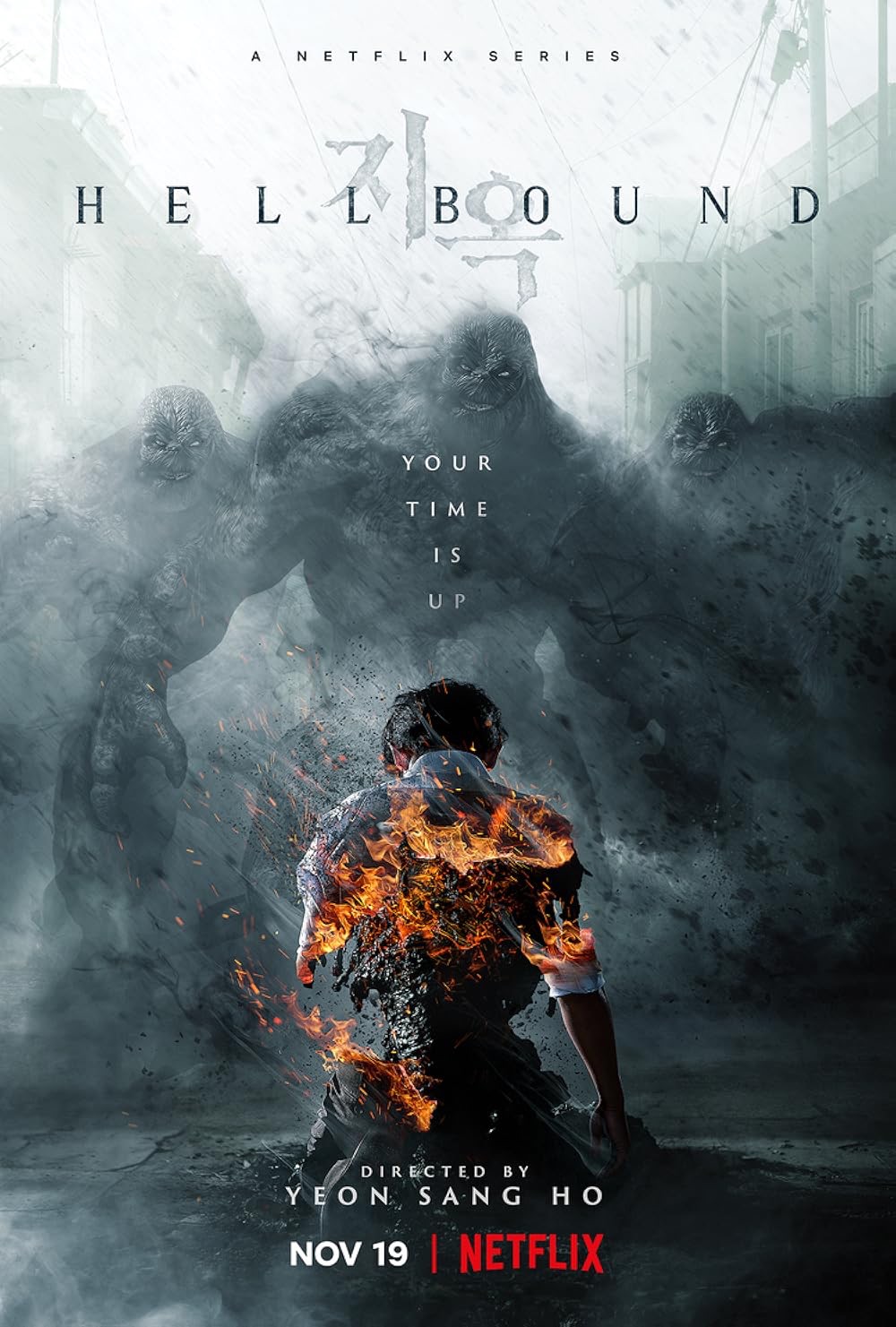
지옥(Hellbound) 시즌 1
감독 연상호
출연 유아인 / 민혜진 / 박정민 / 원진아 / 양익준 외
장르 미스터리
회차 6부작
공개연도 2021년
IMDb 6.6 / Rotten Tomatoes 97%
OTT Netflix
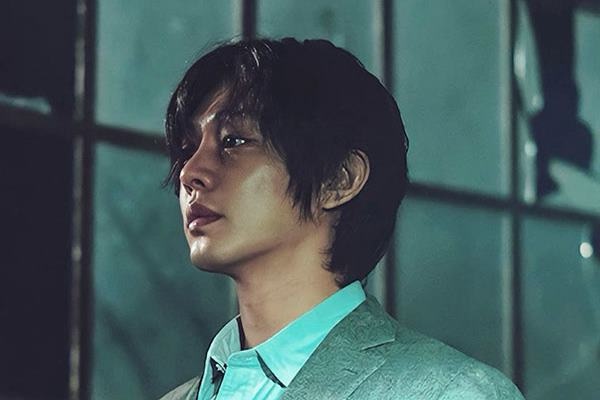
공포라는 재료로 타설한 거짓의 성벽
대낮의 서울 한복판에서 인간의 육체가 으스러진다. 연상호가 설계한 <지옥> 시즌 1은 초자연적 현상이 아니라 설명되지 않는 압도적 폭력 앞에 놓인 인간이 어떻게 스스로의 이성을 난도질하여 ‘의미’라는 가죽을 덧씌우는지에 대한 관찰 보고서다. 고지를 받고 사자들에게 시연을 당하는 과정은 신성한 심판이 아니다. 그것은 거대한 재난이자 논리가 소거된 물리적 파괴일 뿐이다. 정진수라는 설계자는 이 무작위한 허무 위에 새진리회라는 정교한 성벽을 쌓아 올린다. 사람들은 아무런 이유 없이 죽어가는 공포보다 죄를 지어 심판받는다는 가짜 인과응보를 선택함으로써 안식을 얻는다. 이것은 인간이 신의 침묵을 견디지 못해 스스로의 고막을 찢고 만들어낸 거대한 소음이다. 정진수가 구축한 이 성벽의 재료는 철저히 타인의 공포다.
정진수는 20년 전 자신이 받은 고지를 통해 인간 존재의 근원적 허무를 목격했다. 신은 선하지도 악하지도 않으며 단지 무작위로 인간을 파괴할 뿐이라는 그 잔인한 진실을 그는 견딜 수 없었다. 그래서 그는 신에게 가면을 씌운다. 죄를 지은 자만이 지옥에 간다는 도덕적 프레임은 대중에게 공포를 넘어서는 안정감을 제공한다. 내가 착하게 살면 저 괴물들에게 찢기지 않을 것이라는 비겁한 믿음이 새진리회의 동력이다. 시연의 현장은 종교적 의례를 넘어 미디어적 전시물로 전락한다. 검게 타버린 유골은 유리 상자 안에 안치되어 박물관의 소품처럼 전시된다. 죽음은 더 이상 한 인간의 생애가 마감되는 비극이 아니다. 그것은 시스템의 정당성을 증명하기 위한 미학적 도구이며 생존자들에게는 안도감을 주는 시각적 자극제다.
이 전시의 정점은 박정자의 시연 중계다. 자본과 공포가 결탁하여 한 인간의 파멸을 생중계하는 광경은 지옥 그 자체보다 더 지옥 같다. 새진리회는 박정자의 죽음에 ‘의미’라는 가격표를 매긴다. 죽음이 더 이상 개인의 소유가 아닌 집단의 자산이 될 때 인간은 박제된 소품으로 전락한다. 카메라는 타들어 가는 살점을 클로즈업하고 안방의 관객들은 그것을 보며 자신의 무죄를 확인받는다. 이 기괴한 미사는 인간이 타인의 고통을 어떻게 자신의 평화를 위한 제물로 바치는지를 보여주는 잔혹한 증명이다. 시스템은 박정자의 유골을 보존하며 공포를 영속화한다. 죽음은 끝나지 않고 성유물이 되어 살아남은 자들의 목을 죈다.
화살촉이라 불리는 광적인 집단은 미디어라는 확성기를 통해 이 공포를 전염시킨다. 형광색 물감을 바르고 고함을 지르는 인터넷 방송인의 안광 속에는 정의가 없다. 오직 타인의 비극을 자극으로 소비하며 자신의 존재감을 증명하려는 비릿한 가학성만이 고여 있다. 스마트폰 액정은 이 지옥을 일상으로 실어나르는 창살이며 우리는 그 창살 너머로 타인의 살점이 타들어 가는 냄새를 맡으며 내가 아니라는 사실에 안도한다. 이 과정에서 인간의 사유는 거세된다. 질문하는 자는 이단이 되고 침묵하는 자는 방관자가 된다. 화살촉은 새진리회가 쌓은 성벽 위에서 춤추는 광대들이다. 그들은 신의 뜻을 실천한다는 명목으로 사적 제재를 정당화한다. 화면 속 BJ의 고함은 법과 윤리를 대체하는 새로운 경전이다. 그들에게 타인의 고지는 곧 유희다. 죄의 유무는 중요하지 않다. 누군가를 단죄할 명분만 있다면 그들은 기꺼이 타인의 집을 습격하고 신상을 털어 영혼까지 파괴한다. 이것은 현대 사회의 미디어 폭력을 극단으로 밀어붙인 풍경이다. 익명의 그늘 뒤에 숨어 정의를 배설하는 행위. 죄인을 비난함으로써 자신이 선하다는 착각에 빠지는 집단적 도취. 화살촉은 공포가 어떻게 엔터테인먼트가 되는지 인간이 얼마나 쉽게 타인의 고통을 소비하는 괴물이 될 수 있는지를 적나라하게 보여준다.
갓난아이의 울음이 균열시킨 시스템의 민낯
고지를 받은 갓난아이의 등장은 시스템이 타설한 논리의 균형을 무너뜨린다. 죄를 지을 수 없는 존재의 죽음은 새진리회가 구축한 인과응보의 세계를 부정하는 물리적 결함이다. 하지만 시스템은 멈추지 않는다. 오히려 그 결함을 은폐하기 위해 더 큰 폭력을 준비한다. 시스템의 유지라는 명분 아래 갓난아이의 죽음을 조작하려는 시도는 종교가 권력으로 변질되었을 때 얼마나 추악해질 수 있는지를 보여주는 단면이다. 부모가 아이를 감싸 안고 사자의 화염을 대신 받아내는 행위는 숭고한 희생이라기보다 시스템의 부당함에 저항하는 유일한 육체적 저항이다. 그들은 신의 뜻을 이해하려 하지 않는다. 오직 내 자식을 지키겠다는 생물학적 본능으로 사자의 초자연적 폭력에 맞선다. 사자가 물러간 자리 아이가 울음을 터뜨릴 때 지옥의 질서는 잠시 해체된다. 그것은 교리의 붕괴이자 인간성의 승리처럼 보이지만 사실은 더 서늘한 진실의 귀환이다. 신의 무작위성이 다시 전면에 등장한 것이다. 우리는 구원받은 것이 아니라 다시 한번 예측 불가능한 공포의 들판으로 내던져진 것뿐이다.
택시 기사의 말처럼 인간들의 세상은 인간들이 알아서 해야 한다는 지극히 평범한 진리는 시즌 1 전체를 관통하는 가장 무거운 각주다. 신의 개입을 빌미로 자신의 책임을 회피하고 타인을 정죄하던 자들에게 던져지는 서늘한 경고다. 민혜진으로 대변되는 소도의 움직임은 정의의 구현이라기보다 인간이라는 종이 가진 마지막 자존심을 지키려는 필사적인 몸부림에 가깝다. 그들은 신의 개입을 부정함으로써 역설적으로 인간의 자리를 확보하려 하지만 그들 역시 공포라는 거대한 중력 아래에서 자유로울 수 없다. 지옥의 사자들이 남긴 검은 재는 사라지지 않고 그것을 어떻게 처리할 것인가를 두고 인간들은 다시 한번 계급을 나누고 선을 긋는다.
인간의 생명이 데이터의 값으로 환산되는 이 냉혹한 현실이야말로 지옥이다. 신의 침묵을 견디지 못한 인간들이 서로를 찢어발기는 소음. 그 소음이 그칠 때 비로소 우리는 마주한다. 지옥은 사후의 세계가 아니라 타인을 타자로 인식하지 못하는 우리들의 메마른 마음이었다는 사실을. 정진수가 죽음으로써 지키려 했던 비밀은 사실 모두가 알고 있었으나 모른 척했던 진실이다. 세상은 원래 엉망진창이고 신은 우리를 돌보지 않는다는 것. 그 허무를 견디기 위해 우리는 누군가를 악마로 만들고 누군가를 제물로 바쳐왔다.
민혜진이 아이를 안고 떠나는 마지막 장면은 일시적 해방에 불과하다. 갓난아이의 생존은 기적이 아니라 신의 무관심이 빚어낸 또 다른 변수일 뿐이다. 이제 인간은 더 이상 신의 뒤에 숨을 수 없다. 죄와 벌이라는 편리한 이분법도 사라졌다. 남겨진 것은 해석되지 않는 죽음들과 그 죽음을 목격한 생존자들의 서늘한 눈동자다. 시스템은 다시금 이 균열을 메우려 들 것이고 또 다른 정진수가 나타나 새로운 성벽을 쌓을 것이다. 지옥은 반복된다. 괴물이 만드는 것이 아니라 괴물의 발자국을 정의라 믿고 싶어 하는 당신의 나약한 시선이 이 지옥을 완성한다. 이제 당신의 액정을 꺼라. 그 검은 화면 속에 비친 당신의 얼굴 그곳이 바로 지옥의 시작점이다.
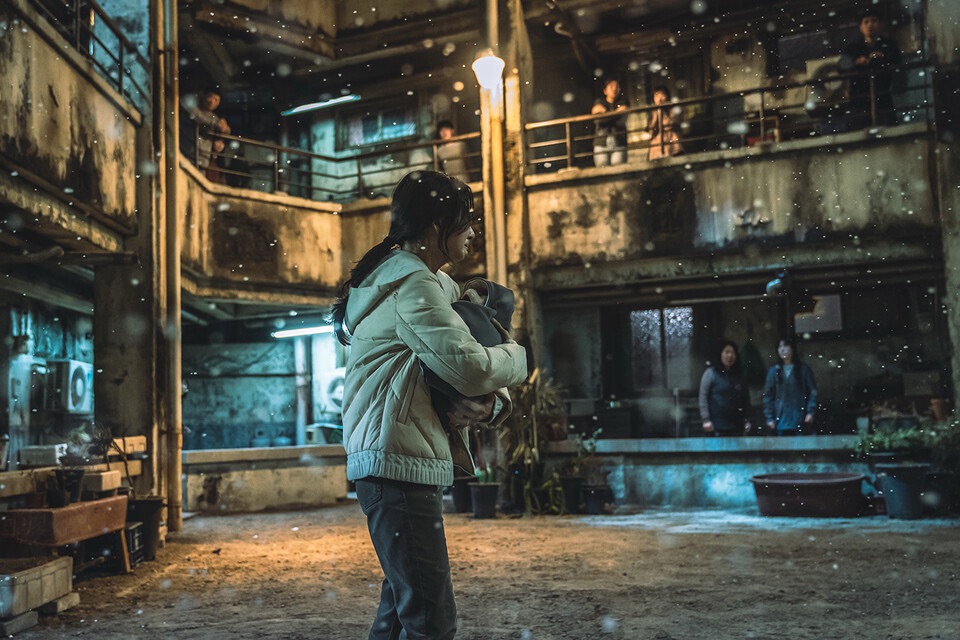
A Fortress of Falsehood Cast in Fear
In the middle of broad daylight in Seoul, human flesh is crushed. Yeon Sang-ho’s <Hellbound> Season 1 is not a tale of the supernatural; it is a clinical report on how humans, faced with inexplicable and overwhelming violence, mutilate their own reason to drape the hide of ‘meaning’ over the void. The process of receiving a decree and undergoing ‘demonstration’ by executors is not a divine judgment. It is a massive disaster, a physical destruction devoid of logic. Jung Jinsu, the architect, builds a sophisticated fortress called the New Truth Society upon this random nihilism. People choose the fake causality of being judged for sin over the terror of dying for no reason at all. It is a deafening noise humans created by piercing their own eardrums, unable to endure the silence of God. The material of this fortress is purely the terror of others.
Jung Jinsu witnessed the fundamental futility of human existence through the decree he received twenty years ago. He could not bear the cruel truth that God is neither good nor evil, but merely destroys humans at random. Thus, he masks God. The moral frame—that only sinners go to hell—provides the masses with a stability that transcends fear. The cowardly belief that “if I live righteously, I won’t be torn apart by those monsters” is the engine of the New Truth Society. The site of demonstration devolves from a religious rite into a media exhibit. Charred remains are enshrined in glass boxes, displayed like props in a museum. Death is no longer the tragedy of a human life ending. It is an aesthetic tool to prove the system’s legitimacy and a visual stimulant that grants relief to the survivors.
The apex of this exhibition is the live broadcast of Park Jungja’s demonstration. The spectacle of capital and fear colluding to broadcast a human’s destruction is more hellish than hell itself. The New Truth Society attaches a price tag of ‘meaning’ to her death. When death is no longer a private possession but a collective asset, the human is reduced to a taxidermied prop. Cameras zoom in on burning flesh, and audiences in their living rooms confirm their own innocence by watching. This grotesque mass is a brutal proof of how humans sacrifice the suffering of others on the altar of their own peace. The system preserves Park Jungja’s bones to eternalize fear. Death does not end; it becomes a relic that strangles the living.
The fanatic group known as Arrowhead spreads this contagion through the megaphone of media. There is no justice in the eyes of the internet streamers who scream with neon paint smeared on their faces. There is only a rancid sadism, attempting to prove their own existence by consuming the tragedy of others as a stimulus. The smartphone screen is the cage that carries this hell into daily life. We smell the burning flesh of others through those bars and feel relief in the fact that it isn’t us. In this process, human thought is castrated. Those who question become heretics; those who remain silent become bystanders. Arrowhead are the clowns dancing on the walls built by the New Truth Society. They justify private sanctions in the name of executing God’s will. The screams of the BJ on the screen become a new scripture replacing law and ethics. To them, another’s decree is mere play. As long as there is a pretext to condemn, they gladly raid homes and destroy souls. This is a landscape that pushes modern media violence to its extreme—the act of excreting ‘justice’ behind the shadow of anonymity. Arrowhead reveals how easily fear becomes entertainment and how quickly humans turn into monsters consuming the pain of others.
The Infant’s Cry and the Raw Face of a Fractured System
The appearance of a decreed infant shatters the logical equilibrium cast by the system. The death of a being incapable of sin is a physical flaw that denies the world of causality built by the New Truth Society. Yet, the system does not stop. Instead, it prepares greater violence to conceal that flaw. The attempt to manipulate an infant’s death for the sake of maintaining the system is a snapshot of how hideous religion can become when it turns into power. The act of parents embracing their child and taking the executors’ flames in their stead is not just a noble sacrifice; it is the only physical resistance against the system’s injustice. They do not seek to understand God’s will. They confront supernatural violence with the biological instinct to protect their own offspring. When the child cries after the executors retreat, the order of hell momentarily dissolves. It looks like a collapse of dogma and a victory for humanity, but it is actually the return of a more chilling truth.
The randomness of God has returned to the fore. We have not been saved; we have simply been thrown back into the fields of unpredictable terror. As the taxi driver says, the world of humans should be handled by humans—a mundane truth that serves as the heaviest footnote to Season 1. It is a cold warning to those who used God’s intervention as an excuse to evade responsibility and judge others. Sodo, represented by Min Hyejin, is less about the realization of justice and more about a desperate struggle to preserve the last shred of human pride. They attempt to secure a place for humanity by denying God’s intervention, yet they too are not free from the massive gravity of fear. The black ash left by the executors does not vanish. Humans divide ranks and draw lines once again over how to handle it.
A reality where human life is converted into data values is the true hell. The noise of humans tearing each other apart, unable to endure God’s silence. When that noise ceases, we finally face the truth: hell is not an afterlife, but our own withered hearts that fail to recognize others as human. The secret Jung Jinsu tried to protect by dying was a truth everyone already knew but pretended not to. The world is a mess, and God does not care for us. To endure that nihilism, we have turned others into demons and offered them as sacrifices.
The final scene of Min Hyejin leaving with the child is but a temporary liberation. The infant’s survival is not a miracle, but another variable birthed by God’s indifference. Now, humans can no longer hide behind God. The convenient dichotomy of sin and punishment has vanished. What remains are uninterpreted deaths and the cold eyes of the survivors who witnessed them. The system will try to fill this crack again, and another Jung Jinsu will appear to build a new fortress. Hell repeats itself. It is not created by monsters, but by your own weak gaze that wants to believe the footprints of monsters are justice. Now, turn off your screen. That face reflected in the black screen—that is the starting point of hell.